In Oklahoma, farming has traditionally been both an economic and cultural institution. Farming is a beloved way of life and a means of support for many rural Oklahomans.
In 1935, there were 213,325 farms in Oklahoma; by 1980, there were just 72,000. Oklahoma had 50% of the state’s population on farms in 1920, but by 1950 that number had dropped to 25%. Only 33,060 people identified farming as their major vocation in 1997; 55 percent were so-called ‘sidewalk’ and ‘suitcase’ farmers, attesting to the importance of farming in their life and the survival of their families. By the 1990s, corporate operators controlled the majority of agricultural businesses.
Corn, cotton, winter wheat, wheat hay, oats, milo maize, soybeans, sorghum, broomcorn, peanuts, sweet potatoes, alfalfa, cowpeas, and wild hay were among the traditional crops grown in Oklahoma over the past 100-plus years. Poultry, cheese, milk, eggs, butter, and a variety of fruits and vegetables are examples of further agricultural goods that the state is known for.
After 100 years, agriculture is still one of Oklahoma’s greatest businesses, having a significant economic influence on both our rural and urban economies.
Currently, Oklahoma has 86,000 farms on 35,100,000 acres, ranking fourth in the US.
Below we explore the 11 most profitable crops grown in Oklahoma based on annual value of production as per the USDA.
1. Wheat

In terms of planted area, output, and total farm income, wheat trails only maize and soybeans among U.S. field crops. From a harvested area of 35.5 million acres, American farmers produced 1.6 billion bushels of winter, durum, and other spring wheat during the years 2022 through 2023 in total.
Source: Melissa Askew
2. Hay & Hayage

The U.S. Hay and Crop Farming industry’s revenue climbed by an annualized 1.4 percent during the five years to 2022 to reach $36.3 billion, with estimated growth of 4.3 percent in 2022 alone as demand for hay and sugar beets jumps as a result of anticipated, strong increases in maize prices and restricted availability. Overall, the business was driven by rising prices for hops, maple products, marijuana, and other ancillary goods whereas peanuts and hay saw yearly revenue decreases through 2020 as a result of sluggish demand from animals using them as feed.
Source: Vanessa Schulze
3. Cotton

From Virginia to California, the 17 southern “Cotton Belt” States grow the majority of the country’s cotton. From March to June, cotton is sown, and from August to December, it is harvested. Texas leads all other U.S. States in cotton production, accounting for almost 40 percent of national output in recent years.
Source: Trisha Downing
4. Corn

The United States is not only the greatest producer, but also the largest consumer and exporter of maize. Corn is the most common crop farmed in the United States, with the bulk of it coming from the Heartland area. On average, American farmers plant around 90 million acres of corn each year.
Source: Jesse Gardner
5. Soybeans

The United States of America is the biggest producer of soybeans in the world and the second-highest exporter of soybeans. The production of other oilseeds in the United States, such as peanuts, sunflower seed, canola, and flax, accounts for the remaining 10 percent or so of total oilseed output. Soybeans account for around 90 percent of this total.
Source: Daniela Paola Alchapar
6. Sorghum

More than a dozen states in the United States are responsible for the cultivation of sorghum, although Kansas, Texas, Colorado, Oklahoma, Nebraska, and South Dakota produce the most of this commodity. In 2021, 6.5 million acres were used for the cultivation of sorghum, which resulted in an output value of $2.492 billion.
Source: Wikipedia
7. Peanuts
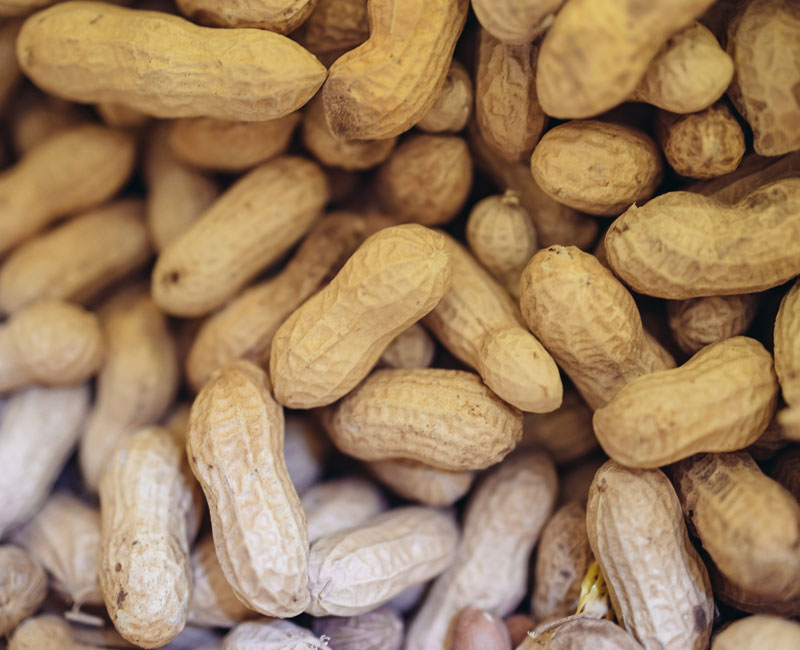
Runner peanuts, Virginia peanuts, Spanish peanuts, and Valencia peanuts are the four varieties of market peanuts that are farmed commercially in the United States. The runner kind, which is most often seen in peanut butter, is the most common form of peanut grown for commercial purposes. This variety accounts for the majority (80 percent) of the country’s planted acreage and is mostly found in the Southeast.
Source: Eric Muhr
8. Pecans
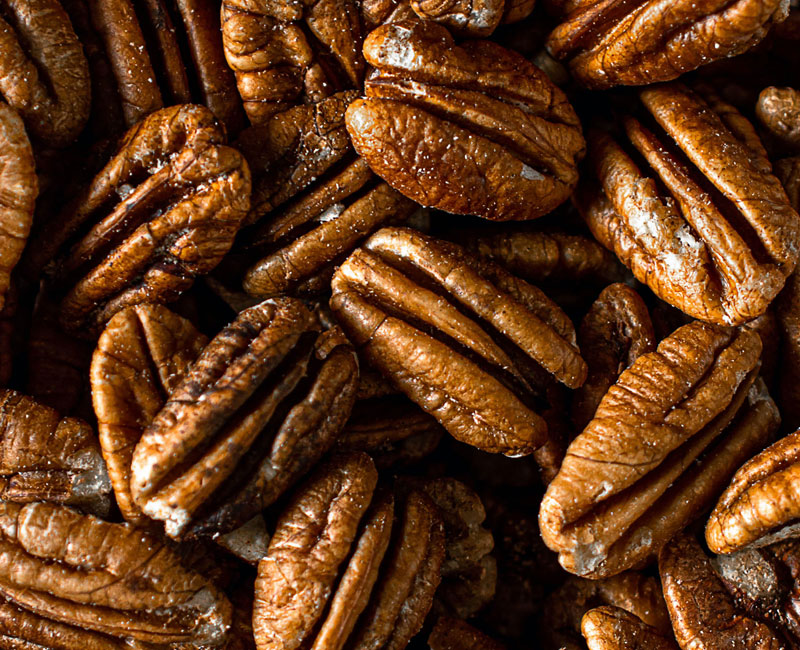
The pecan is the only natural tree nut that can be cultivated economically in the United States, and it comes from pecan trees, which are a kind of hickory. Georgia is traditionally the top pecan-producing state in the United States, accounting for around 33 percent of total U.S. output on average. The United States is the biggest producer of pecans in the world.
Source: Sara Cervera
9. Rye
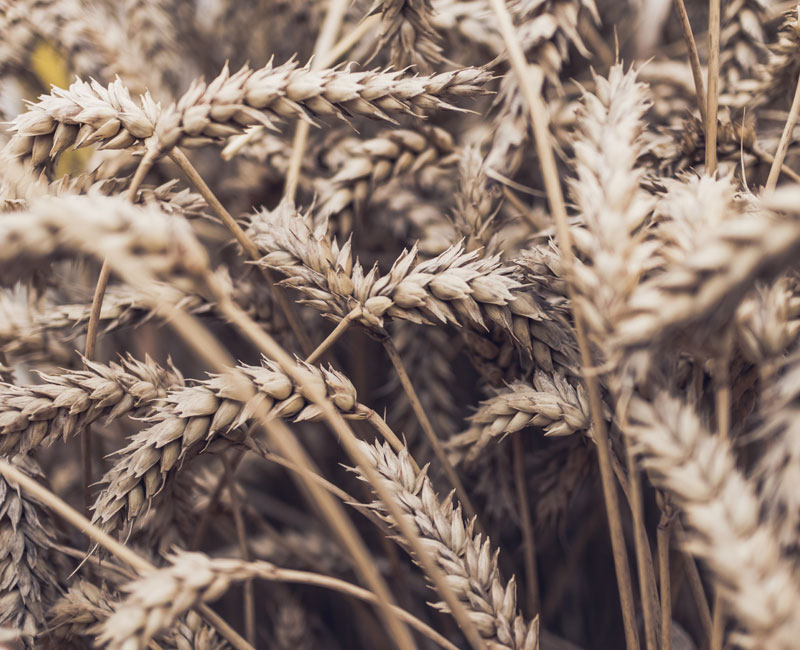
Rye is a crop that can withstand a lot of stress. It is able to endure severe winters, soils that are sandy and poor in fertility, and prolonged periods of drought. As a result of its exceptional resistance to the harmful effects of aluminum, it is more suited to severely acidic soils than other cereals. It uses about a third less water than wheat does, according to estimates.
Source: Daniel Hansen
10. Canola

According to the National Agricultural Statistics Service of the USDA, in 2022, the United States produced a record amount of canola, which was an astounding increase of 45 percent from 2021. Canola was harvested from close to 2.2 million acres, and the average yield was 1,826 pounds per acre. This resulted in 3.95 billion pounds of canola being produced.
Source: Michael Obeysekera
11. Oats
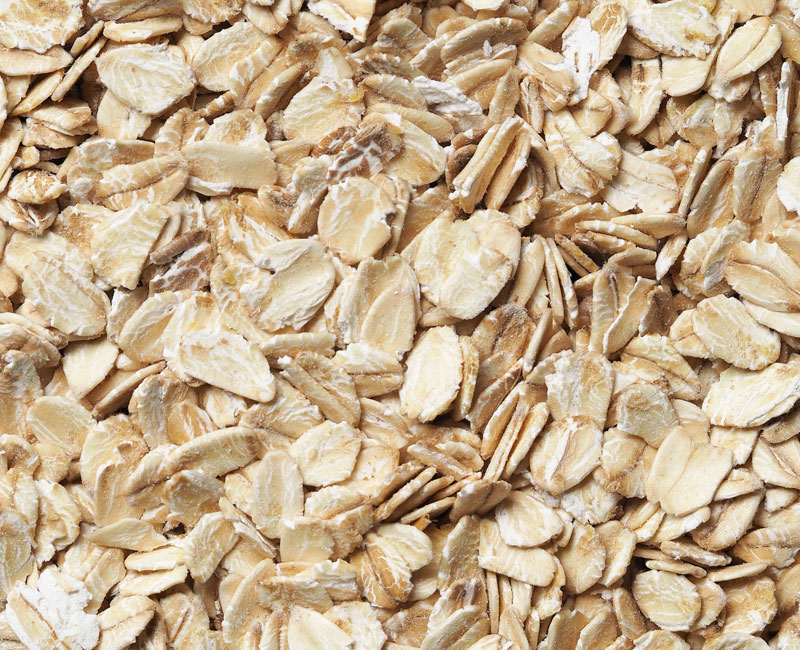
In records dating back to 1866, American farmers are currently anticipated to harvest their weakest oat crop ever as drought conditions broil the higher parts of the U.S. Plains. In important growing states, heat and dry weather are reducing crop potential. The Department of Agriculture estimates that this year’s U.S. crop will be the lowest ever at 41.3 million bushels. The forecast is lower than the agency’s projection of around 53 million bushels made in June.
Source: Łukasz Rawa