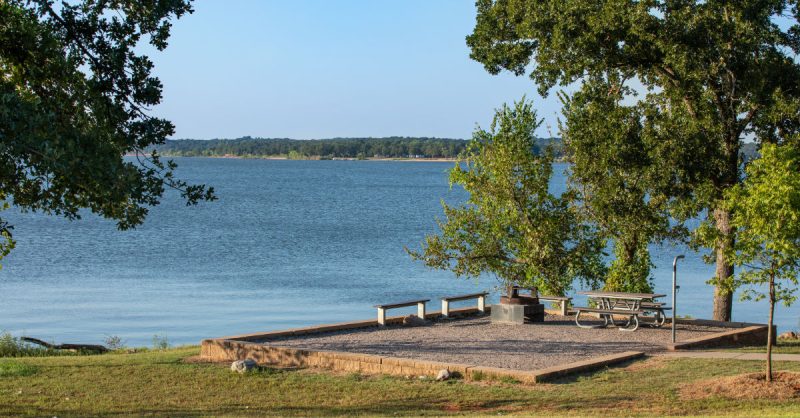
Oklahoma, located in the south-central region of the United States, offers a plethora of camping destinations featuring stunning landscapes and diverse ecosystems. Here are seven of the best camping destinations in Oklahoma:
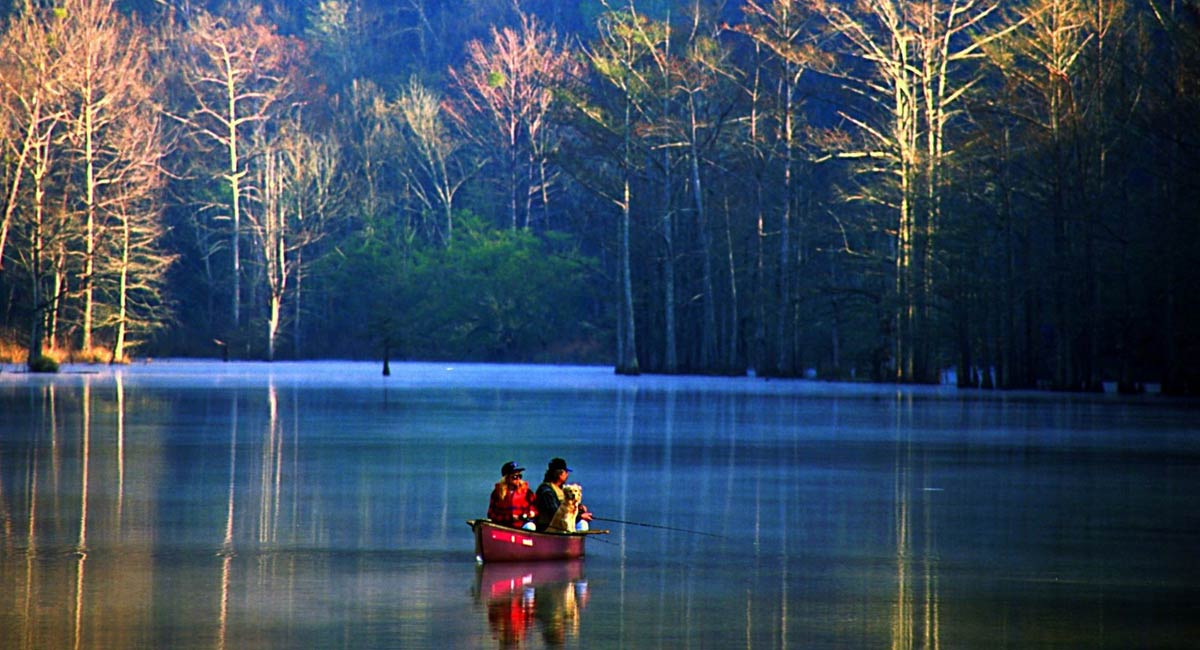
- Beavers Bend State Park, in the southeast, attracts outdoor enthusiasts. Its lovely forests and Mountain Fork River make it perfect for fishing, hiking, and enjoying nature.
- The Ouachita National Forest crosses into southeastern Oklahoma from Arkansas. Campers enjoy gorgeous pathways, mountain views, and clean lakes.
- Robbers Cave State Park in northeastern Oklahoma’s picturesque San Bois Mountains was a famed outlaw refuge. Rock climbing, miles of hiking routes, and cabins and tent sites are available.
- Chickasaw National Recreation Area offers swimming holes, rivers, and lakes abound in this Arbuckle Mountain foothills area. Families can fish, boat, swim, and camp there.
- Black Mesa in Oklahoma’s Panhandle offers semi-arid camping. It has Oklahoma’s highest peak and beautiful hiking routes among rock formations and dinosaur tracks.
- Alabaster Caverns State Park features the largest public gypsum cave in this northwest Oklahoma park. Camp, hike, and picnic nearby in addition to guided cave tours.
- This park’s Great Salt Plains have hourglass-shaped selenite crystals. Great Salt Plains State Park has a half-salted lake for boating, fishing, and birdwatching.
Each of these destinations offers its own unique beauty and outdoor activities. Whether you’re looking for lush forests, mountains, caves, or salt plains, Oklahoma has something to offer every camper. Below we explore these destinations and why they’re so alluring to campers and outdoorsmen alike.
#1 Beavers Bend State Park
Beavers Bend State Park, situated in McCurtain County, Oklahoma, spans over 3,482 acres and is approximately 10.5 miles north of Broken Bow. Established in 1937, the park envelops Broken Bow Lake and is a notable revenue generator, having earned around $2.3 million in 2011. The park is also one of the seven state parks in Oklahoma that will experience a total solar eclipse on April 8th, 2024, with over 4 minutes of totality.
Construction began in 1935 and the park was named after John T. Beavers, a Choctaw settler. The Civilian Conservation Corps played a significant role in the development of the park, which integrated Hochatown State Park in 2017. Beavers Bend State Park is celebrated for its diverse array of activities, including kayaking, trout fishing, horseback riding, hiking, and eagle watches during the winter months. The park also features the David L. Boren Trail, with 16 miles of hiking trails.
Additionally, the Forest Heritage Center within the park showcases historical documents, forestry tools, wood art, and 14 dioramas depicting various aspects of forests and the lumbering industry. A striking geological feature of the park is an area where the Mountain Fork River sharply meanders, making almost a 180-degree turn, known as the River Bend. This area is renowned for trout fishing, swimming, and features the Broken Bow Hydroelectric Plant.
Starting June 15, 2020, an entrance fee was introduced to support maintenance and improvements of the park.
#2 Ouachita National Forest
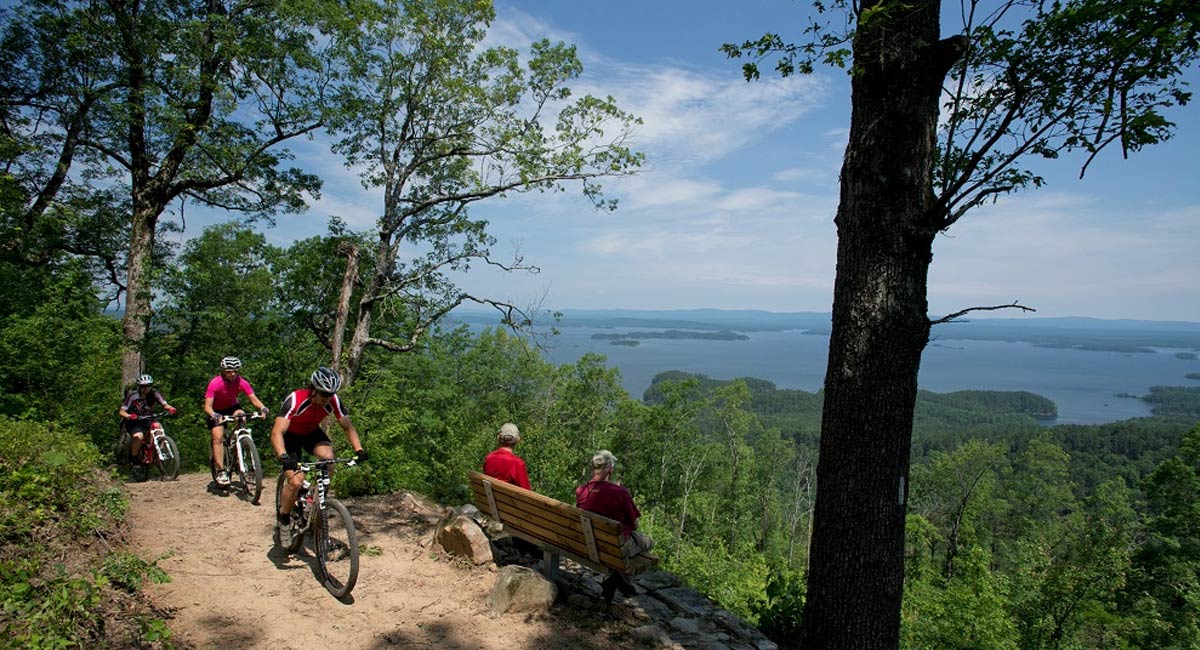
The Ouachita National Forest, spanning western Arkansas and eastern Oklahoma, encompasses over 1.7 million acres, including the stunning Ouachita Mountain Range. It’s the oldest National Forest in the southern United States and offers a plethora of attractions for campers. The forest features an array of recreational activities including hiking, mountain biking, horseback riding, rock hounding, and water sports.
The Ouachita National Recreation Trail stretches over 223 miles, offering an extensive network for hiking and mountain biking, with overnight shelters for backpacking enthusiasts. Camp Clearfork near Hot Springs, Arkansas, offers cabin accommodations alongside a lake. In the Oklahoma section, the Winding Stair Mountain National Recreation Area houses over 150 campsites, a 90-acre lake, and an equestrian camp.
Additionally, rivers such as Mountain Fork, Caddo, Little Missouri, and Ouachita provide opportunities for canoeing and fishing. For thrill-seekers, the Cossatot River is known for challenging whitewater rafting. The forest also contains six wilderness areas, such as the Black Fork Mountain Wilderness and Caney Creek Wilderness, which are revered for their rugged beauty and biodiversity. The Talimena Scenic Drive is another highlight, winding through the forest and offering breathtaking vistas.
#3 Robbers Cave State Park
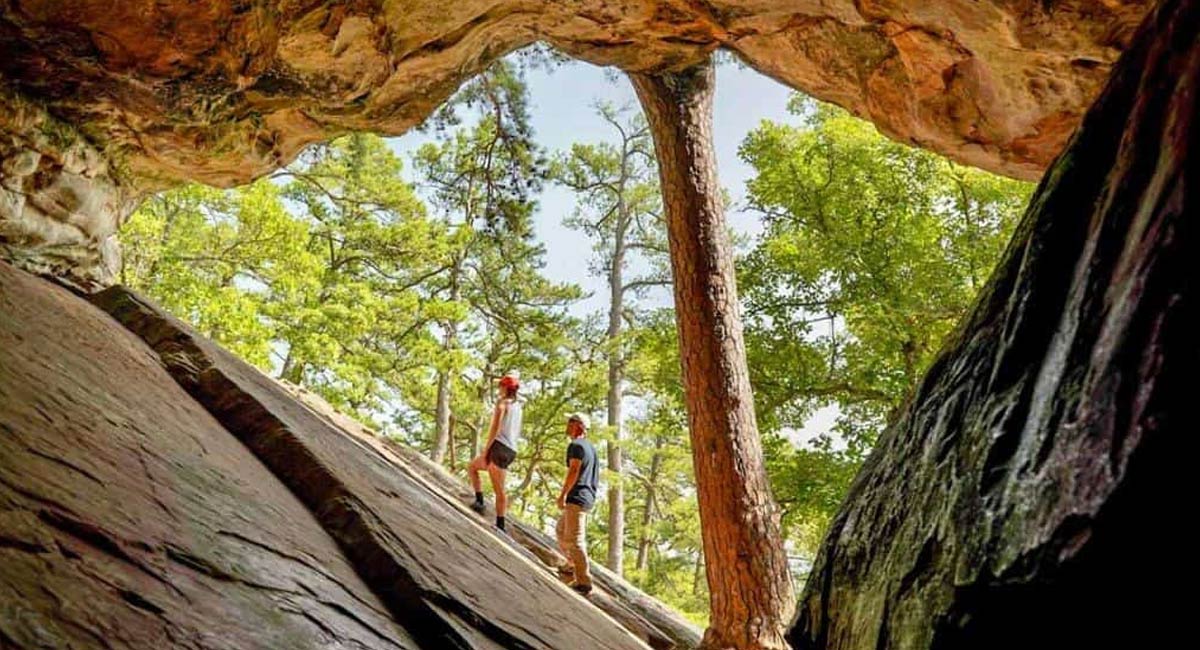
Robbers Cave State Park, located in the picturesque Sans Bois Mountains of southeastern Oklahoma, offers an abundant array of activities and historical intrigue. The park, spread across over 8,000 acres, is historically renowned as a hideout for notorious outlaws including Jesse James and Belle Starr. Rich in folklore, the mountains have also been home to ancient tribes, trappers, and miners.
For the modern explorer, the park is a treasure chest of natural beauty and outdoor recreation. It includes three lakes – Lake Carlton, Lake Wayne Wallace, and Coon Creek Lake, perfect for boating and trout fishing. The rugged sandstone cliffs and dense forests create a thrilling terrain for hiking, rappelling, and mountain biking. Equestrians will find trails and campsites tailored for horse-riding adventures.
Campers can immerse themselves in the tranquil surroundings by staying at Eagle’s Nest or the family-style campgrounds near the water. Unique lodging options like yurts, a covered wagon, and rustic cabins built in the Parkitecture style, integrating native stone and live edge cedar siding, cater to different preferences. There are also RV and tent sites available for a more traditional camping experience.
Robbers Cave State Park merges captivating history with natural splendor, making it an ideal escape for campers seeking both adventure and serenity.

#4 Chickasaw National Recreation Area
Chickasaw National Recreation Area in Oklahoma is a great place for outdoor enthusiasts. The area was established in 1902 as Sulphur Springs Reservation and later combined with the Arbuckle Recreation Area. It was renamed after the Chickasaw Indian Nation, who sold the land to the U.S. Government.
The Chickasaw National Recreation Area spans 9,888 acres, with 2,409 acres being water. It features natural scenery and 1930s Civilian Conservation Corps architecture. Campers enjoy various activities such as swimming, boating, and fishing in the clear water of the Arbuckles Lake and its springs and streams, which are famous for bass fishing. Travertine district has Travertine Creek that gets five million gallons of water daily from natural springs. It flows through forests and small waterfalls.
Hiking and biking trails are available for those who want to reconnect with nature in the verdant terrain, in addition to the alluring waters. The area has campgrounds that are suitable for both tents and RVs. The park entrance is free due to an agreement with the Chickasaw tribe, making it attractive for budget-conscious campers.
#5 Black Mesa State Park & Nature Preserve
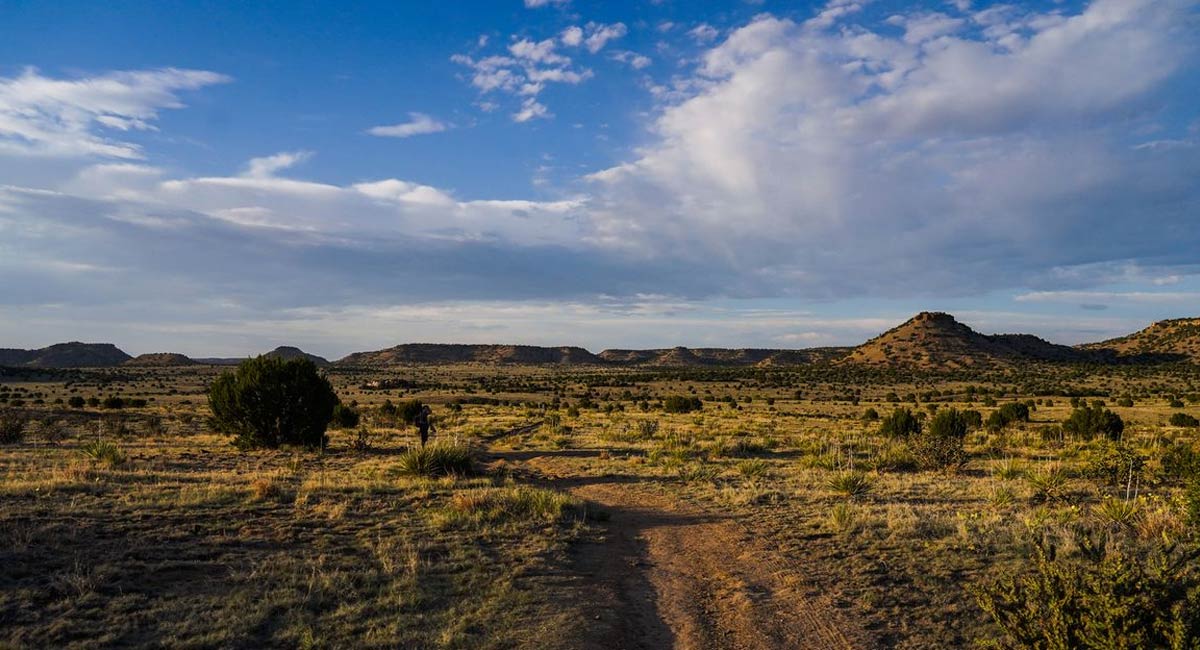
Black Mesa State Park and the adjacent Black Mesa Nature Preserve are jewels in Oklahoma’s panhandle, near the tri-state border with Colorado and New Mexico. Renowned for its rich biodiversity, the park and preserve are situated where the Rocky Mountains meet the shortgrass prairie, boasting 23 rare plant species and sheltering a plethora of wildlife, including golden eagles, black bears, and mountain lions.
One of the park’s key attractions is Black Mesa itself, named for the black lava rock coating its surface. Hiking enthusiasts can embark on a trail leading to the summit of this mesa, which stands as Oklahoma’s highest point at 4,973 feet above sea level. This hike is a must-do, but hikers are advised to bring ample water and be prepared for high temperatures during summer.
For campers, Black Mesa State Park is a paradise. It is adjacent to the serene Lake Carl Etling, offering reservable RV and tent campsites with amenities including water and electric hookups, picnic facilities, boat ramps, and restrooms with showers.
Astronomy aficionados are particularly drawn to the park due to its exceptionally dark night skies, qualifying as a Bortle 1 zone. This makes it one of the prime spots in the country for stargazing, with the annual Perseid meteor shower in August being a highpoint. The park’s remote location provides an unobstructed and pollution-free view of the heavens, making it a star-gazer’s dream.
#6 Alabaster Caverns State Park
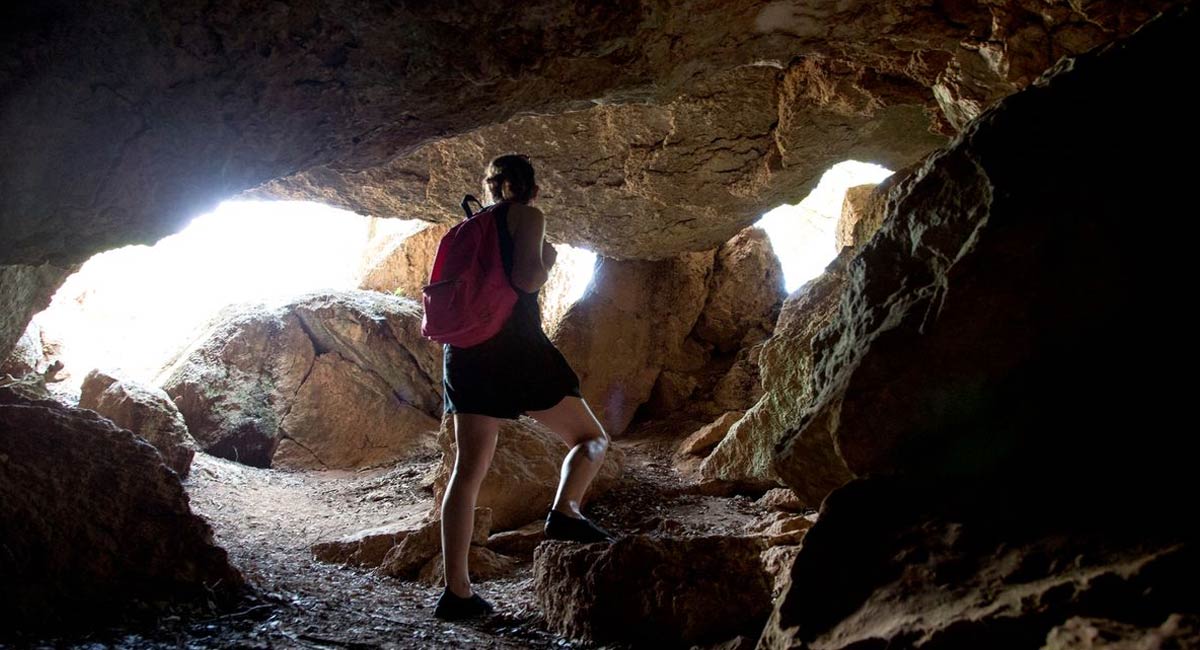
Alabaster Caverns State Park, located approximately 4.5 miles south of Freedom, Oklahoma, is a unique 200-acre gem that attracts campers and nature enthusiasts. The park is famous for having the world’s largest natural gypsum cave open to the public, showcasing stunning alabaster deposits in various forms, including the rare black alabaster found in only three places globally.
Camping in the park is an adventure with options for wild caving, hiking, and recreational facilities such as horseshoe pits and volleyball courts. Guided cave tours, offered hourly, are a highlight, taking visitors through the illuminated caverns, which stretch 0.75 miles into the earth. While the tour involves climbing around 330 steps and is not recommended for those with mobility issues or certain health conditions, it’s an unforgettable experience for others.
Additionally, the park is a haven for wildlife, notably bats. The caverns are home to five bat species, including the migrating Mexican free-tailed bats. With over 19,000 bats counted recently, observing these fascinating creatures is a unique experience for visitors.
As a convergence of geological marvel, wildlife sanctuary, and historical significance, Alabaster Caverns State Park offers campers a diverse range of activities and experiences. This makes it an enticing destination for those seeking both adventure and natural beauty.
#7 Great Salt Plains State Park
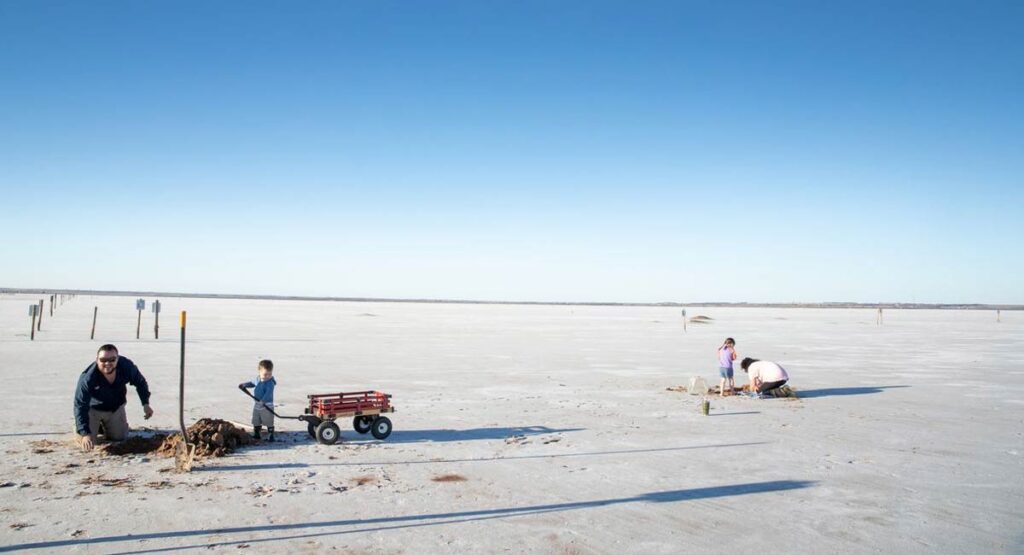
Great Salt Plains State Park, encompassing 840 acres in Alfalfa County, Oklahoma, is an exceptional destination for campers looking for an unusual natural experience. A major attraction is the Great Salt Plains Lake, covering 9,300 acres with a salinity one-fourth that of sea water, and offers fishing for catfish, saugeye, sandbass, and hybrid striper. The lake’s shallow waters, with an average depth of 4 feet, is also suitable for boating.
Additionally, the adjacent Great Salt Plains National Wildlife Refuge offers a unique opportunity to dig for hourglass selenite crystals – a rare form of gypsum found nowhere else in the world. The digging season is from April 1 through October 15, making it a treasure hunt adventure for visitors.
For those interested in bird-watching, the refuge is a haven, with over 300 species of protected birds, offering amazing bird-watching and fall foliage viewing experiences.
The park accommodates campers with RV and tent sites, comfort stations with showers, cabins, picnic sites, and group shelters. There are also equestrian trails for horse riders, though horse rental is not available. Other amenities include a swimming beach, playgrounds, boat ramps, and a fishing dock.
The combination of its saline lake, exclusive selenite crystals, and abundant wildlife makes Great Salt Plains State Park a distinctive and engaging getaway for campers.