
Looking for the best ways to get rid of random household items that you no longer use or want in Oklahoma? If so, see the following for a quick cheat sheet. Continue reading to learn more about each option.
- Donate: Charities, non-profits, shelters, and community centers welcome gently used things.
- Sell Online: Sell locally or worldwide on eBay, Craigslist, Facebook Marketplace, or Letgo.
- Garage Sale: Garage sales are great for clearing a lot of stuff at once.
- Recycle: Recycle objects that are too damaged to donate or sell.
- Gift to Friends & Family: Items you no longer use may be perfect for friends and family.
- Upcycle or Repurpose: Glass jars may store things, old t-shirts can be rags, old glasses or plastic bottles can become planters, etc.
- Rent a Dumpster: If you have a lot of trash no one wants, a dumpster is a fast and relatively inexpensive method to dispose of it.
- Hire a Pro Removal Service: If you have a lot of large, heavy goods, such as a vehicle, or don’t have time or ability to dispose of them, consider contacting a cash for cars or professional junk removal service.
- Swap or Trade: Attend a swap meet or trade online on one of the aforementioned classified sites.
9 Ways Oklahoman Residents Get Rid of Junk Around the House
If looking to unload your unwanted stuff, here’s a detailed explanation of how to use one of the options listed above.

1. Donating Goods
For tax reasons, save contribution receipts and a record of donated goods. This method makes moving simpler and gives discarded objects a new home.
The Salvation Army: Since 1865, the Salvation Army has served 131 nations. The Salvation Army sells or gives away donated goods. Furniture pickup is free. Enter your zip code and donate things to arrange a pickup on their website. If you’re away, leave the stuff outside marked “SA”. They take furniture, beds, clothes, household goods, appliances, electronics, books, and used automobiles. This group helps domestic abuse, human trafficking, at-risk adolescents, elderly, and natural catastrophe victims.
Goodwill: Since 1902, Goodwill has over 3,200 locations in the U.S. and Canada. Your contributions are sold at a discount at a local Goodwill shop. Job training and placement programs get funds. Donations include clothing, shoes, toys, games, gadgets, housewares, art, and literature. Youth, elderly, disabled, and ex-offenders use their services.
AMVETS National Service Foundation: National Since 1948, the AMVETS helps veterans. They accept five-year-old or newer small furniture, appliances, clothes, accessories, toys, games, gadgets, bedding, bicycles, TVs, laptops, and exercise equipment. The AMVETS assists U.S. combat veterans, active-duty servicemembers, and honorably discharged veterans.
Habitat for Humanity: Established in 1976, Habitat for Humanity builds affordable houses in Oklahoma and around the globe. Typical donations the organization seeks include appliances, furniture, construction supplies, and household goods.
The Arc: This group welcomes contributions of furniture, housewares, clothing, shoes, electronics, toys, games, used automobiles, and books. They aim to help mentally disabled children and adults.

2. Selling Online
It’s easy to sell stuff online thanks to apps and websites, therefore it’s wasteful not to. These sites might let you sell unwanted stuff to appreciative buyers.
Facebook Marketplace: This site is great for selling anything to friends and locals. Local pickup and delivery are free, plus Facebook also lets you post stuff to local buy-sell-trade groups helping you connect to more buyers.
Craigslist: The original online classifieds site where just about anything can be bought or sold. Furniture, vehicles, collectibles, and household products are popular items on the site. Beware of buyer impersonators by only accepting cash.
Ebay: Collectibles, gadgets, and antiques sell well on eBay. This site lets you sell stuff through auction or ‘Buy Now’ options. Be sure you understand eBay’s costs before listing your stuff.
Etsy: This is another fantastic outlet for crafters and non-crafters alike. Etsy sells antiques, handmade items, plus new and used products.
Nextdoor: This site is ideal for neighborhood sales and is gaining in popularity in recent years. It’s easy to meet local purchasers, not to mention you get to know your neighbors in the process.
OfferUp: Much like Craigslist, this is a free, easy-to-use tool for selling locally. Create a free profile, sell your stuff, and negotiate pricing and pickup with buyers.

3. Have a Garage Sale
Organizing a garage sale requires numerous stages. First, sort through your garage, basement, attic, closets, and cupboards. If you don’t utilize something or have simply forgotten about it over the years, sell it. It helps to sort objects into keep, sell, and discard.
Consider partnering with other neighborhood families or waiting for a community event to increase your sale’s potential and reduce your effort. Your garage sale’s timing matters too. Weekends, especially early in the month when individuals have discretionary cash, are usually most productive. Early starts entice early-bird consumers looking to avoid the midday heat. Rain might dissuade buyers, so schedule your sale around the weather.
Finally, get supplies and arrange to take payments. Pricing labels or masking tape, a permanent marker, a cashier table and chairs, and product displays are essential. Accept cash, Venmo, PayPal, or Square if you can. Put yourself in the buyer’s shoes to price your things affordably. You should set prices at around 25 to 33 percent of their original price.

4. Recycle Your Recyclables
While many of us are aware of the need to recycle everyday items like paper and plastic, there are several less-obvious household items that can also be recycled. Among these are books, old electronics, athletic shoes, coffee pods, ink cartridges, and batteries.
Recycling books is often a straightforward process. If the books are in relatively good condition, donating them to charities, libraries, or schools is a good use for them.
When it comes to disposing of old electronics, these items need to be taken to a recycling center that can properly handle electronic materials. This helps prevent harmful chemicals and heavy metals contained in these devices from damaging the environment.
Recycling worn-out athletic shoes is another way to contribute to environmental conservation. While gently worn shoes can be donated, shoes beyond wear can be recycled through various shoe company programs, some of which accept old shoes via mail.
Both rechargeable and single-use batteries can be recycled. Check your local government’s website for information on where to dispose of these items, as locations vary from public institutions like libraries and post offices to specialized drop-off centers. Some areas also offer mail-in programs for battery recycling. By taking the time to recycle these less-obvious items, you can significantly reduce the amount of waste going to landfills.

5. Gift It
Gifting home products to loved ones has several benefits. First, it’s eco-friendly. Second, it might help you declutter and give a loved one something they need. You should only gift items in good shape and, ideally, clean.
It’s possible the receiver may not want or need the gift, which might be embarrassing. If the person you have in mind does not appreciate the item as much as you do, there may be some awkwardness. Gifting a used item may also seem unthoughtful. Therefore, you should ask before simply giving your stuff to people.
If done right, giving home goods may be meaningful, cost-effective, and ecologically beneficial.
6. Give it New Life, Repurpose It
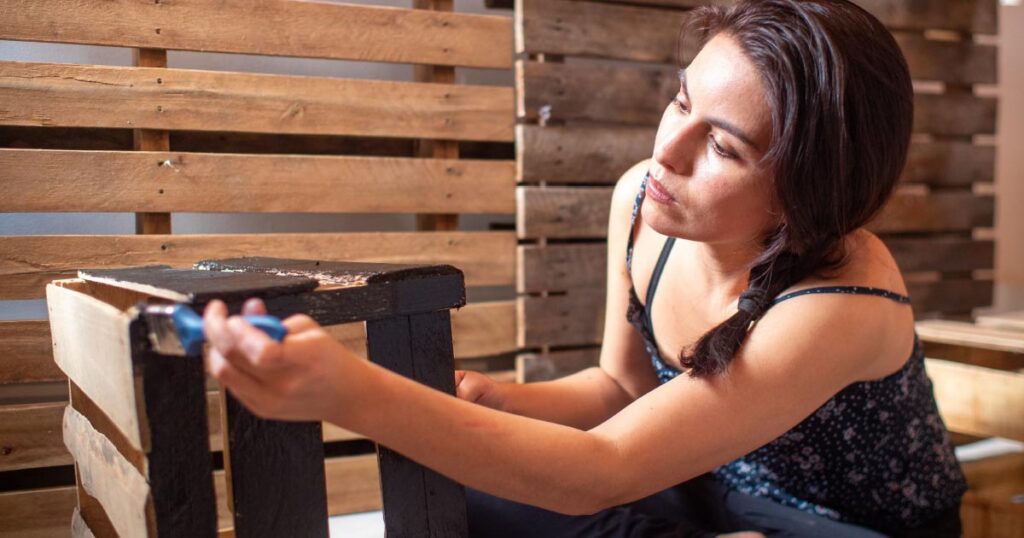
Upcycling involves turning old, undesirable materials into something fresh, useful, and potentially more valuable. It extends material life cycles and decreases manufacturing, making it a clever waste reduction strategy that supports sustainability.
Upcycling is ideal for homeowners with lots of junk. For example, old wooden crates or pallets may become stylish coffee tables, storage solutions, or vertical plants. An old ladder might become a towel rack or bookcase. Wine bottles make beautiful candle holders, vases, and self-watering plants. Old t-shirts may be braided into colorful carpets and antique suitcases can be side tables or pet beds.
This tactic reduces waste, improves sustainability, and lets people express their creative side. Turning “junk” into something useful and attractive can be quite enjoyable.
7. Dump it in a Dumpster
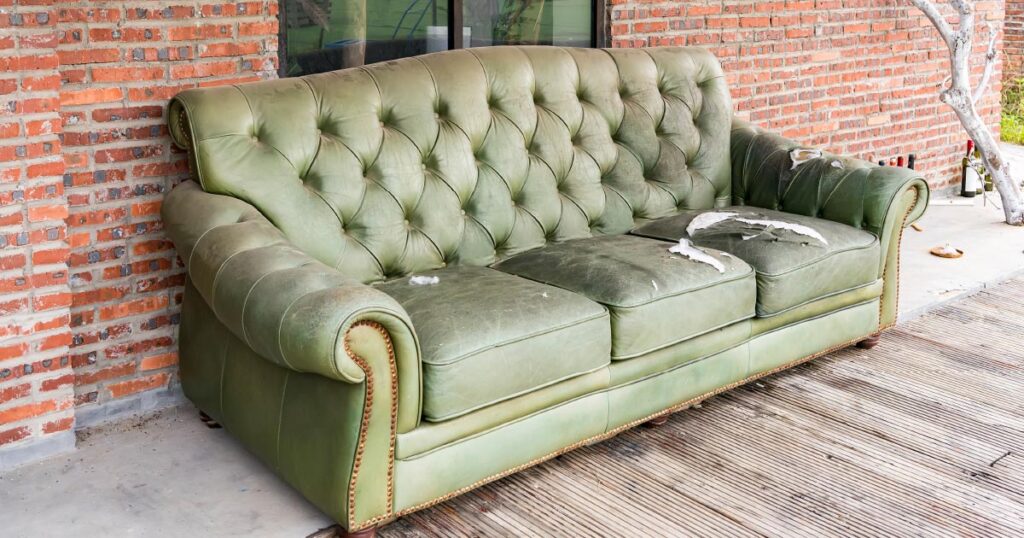
When renovating, cleaning up, or landscaping, a dumpster may be essential. Waste from big clean-up projects typically surpasses your standard garbage container capacity.
Consider the item’s condition, usefulness, and potential hazards before simply tossing it. You should dispose of damaged, worn, soiled, or hazardous items responsibly. Broken furniture, worn mattresses, building waste, old carpets, damaged electronics, and lead or asbestos-containing materials are examples.
However, objects that are functional, valuable, or that could be enjoyed by others should be sold if you need the cash or given away. You might consider disposing of an object if its repair costs exceed its resale value or if it’s unsafe to keep.

8. Hire Professional Junk Haulers
When looking to hire professional junk haulers, there are a few key tips to keep in mind. Firstly, research local companies and check for their credentials, reviews, and reputation. This can help you ensure they provide good service and responsibly dispose of junk.
Secondly, get multiple estimates to ensure you’re receiving a competitive price. Be sure to clarify what’s included in the estimate, such as labor, transport, and disposal fees.
Finally, inquire about their disposal methods. It’s crucial that the junk removal service follows environmentally responsible disposal practices, including recycling and donating items when possible.
Professional junk haulers typically handle a broad range of items, which can vary from company to company. However, they often pick up appliances, vehicles, furniture, yard waste, electronics, mattresses, construction debris, and more. They can help with cleanouts of garages, attics, estates, and basements or assist after a home renovation project.
However, it’s important to note that many junk haulers will not handle hazardous materials, such as chemicals, paint, oils, asbestos, or certain types of electronic waste. For these kinds of items, specialized disposal services are typically required. Always make sure to discuss what you need to dispose of with the service provider before hiring them.
9. Swap Meet It
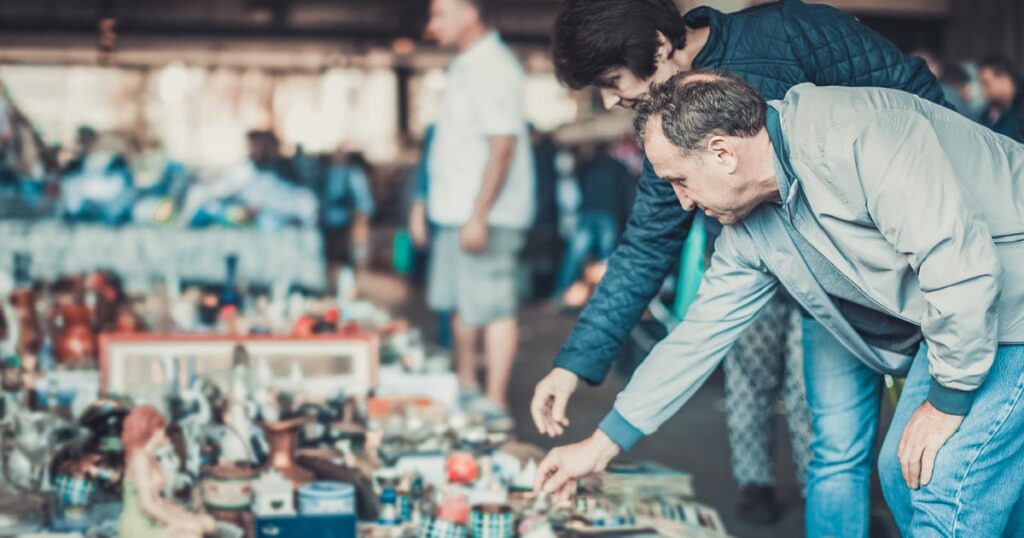
Swap meets, also known as flea markets or thrift fairs, offer several benefits when it comes to disposing of old household items. They allow you to declutter your living space, contributing to a more organized, peaceful home environment. Swap meets can be a source of extra income, as you’re able to sell items you no longer need or use. This is not just a sustainable way to get rid of items, but also a potential way to recover some of their original cost.
Additionally, swap meets foster a sense of community. They serve as meeting grounds for locals, and even collectors, to connect, trade stories, and barter goods. Furthermore, by participating in a swap meet, you contribute to the circular economy, promoting reuse and reducing waste that could otherwise end up in landfills.
Swap meets typically feature a vast range of goods. These can include clothing, furniture, home decor, books, records, kitchenware, gardening tools, sports gear, lawn equipment, toys, antiques, and collectibles, among others.
Essentially, if an item is in reasonable condition and still functional, it can find a new home through a swap meet. However, it’s crucial to remember that items should be clean and in good repair to respect other participants and increase the chance of sale or trade.